In 1999, Ray Kurzweil wrote The Age of Spiritual Machines, where he predicted: “When computers achieve a level of complexity comparable (and even greater), they will necessarily adopt goals with implicit values and emotions, though they are not required to present the same values and emotions that we do.” I find myself excited to ask: what other values and emotions will the servers have?
While philosophers since the 1950s have been discussing artificial intelligence, worrying about humanity in general, I think something more prosaic: how will this affect me? Does it matter to me?
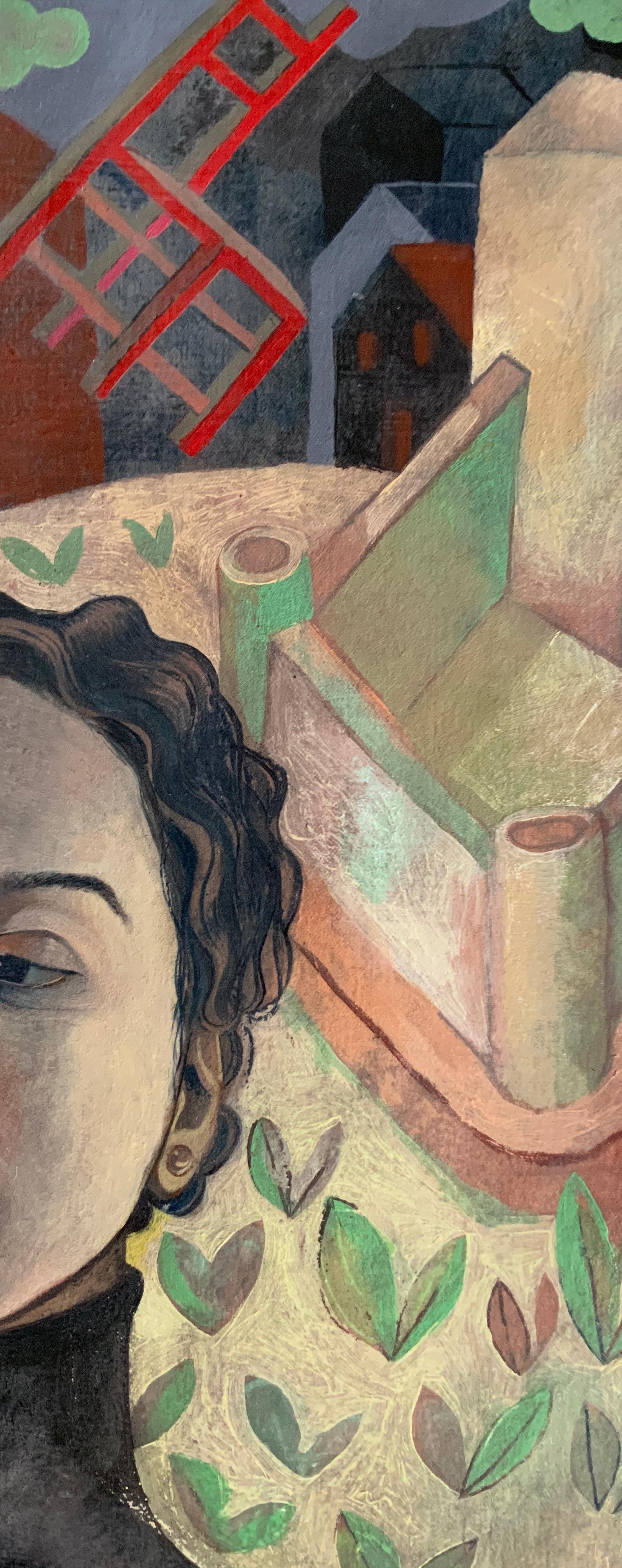
The answer is uncertain. My activity as a painter boils down to extremely long, utterly insane processes: paintings that take months to complete, successive glazes, different sheets of sandpaper, painting again, correcting, sanding once more. It is irrational. I cannot imagine a faster way to reach precarity; if AI acquires “those artist values,” the end of the world would arrive in a few months. Practically no one on the planet will appreciate the immense amount of work involved, for example, in a copper miniature. And if some collector happens to have that kind of taste, it is unlikely they will cross my path.
Could artificial intelligence do something so materially stupid, outside any logic of profitability? I am not speaking only of economic profitability: I do not transfer especially valuable knowledge, I do not contribute to substantially improving anything. I only seek a temporary pleasure, something similar to an obsessive drunkenness of beauty; sometimes I work for months or years to achieve a result as good or as bad as the many things we can find contemplating everyday and gratuitous scenes.
If AI is oriented toward optimization, it would hardly be able to support or contribute, out of pleasure, an eternal process that leads to no useful result.