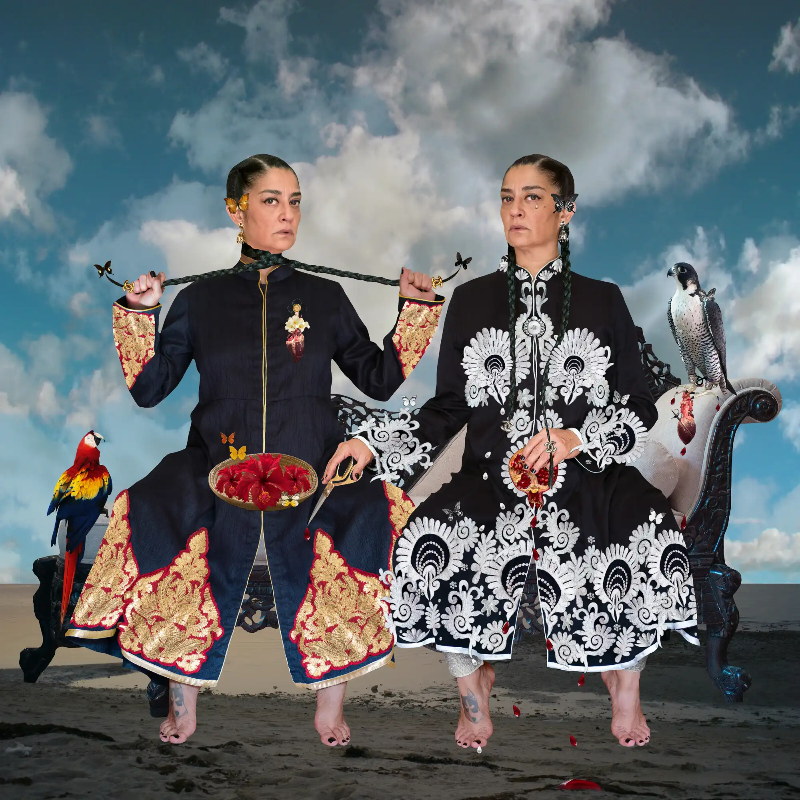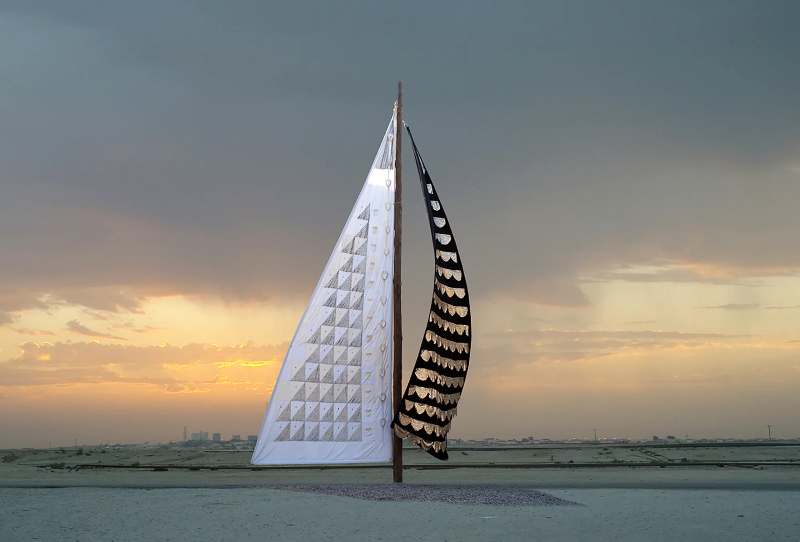
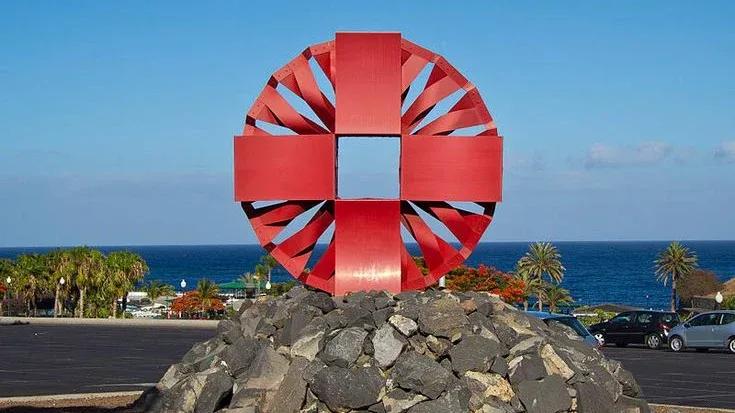
The curatorial process began with the conceptual framework of the Global South and with a desire to understand the term beyond its geographical meaning. I approached it through questions of colonialism, unequal global structures, economic dependency, migration, cultural and political autonomy, memory, identity, belonging, heritage, displacement, transformation and the possibility of imagining the future differently.
These concepts became the threads through which I began to construct the exhibition.
Rather than presenting a single narrative of the Global South, I wanted to create a fabric of different stories—stories that emerge through distinct artistic languages but are connected by the ways artists experience, question and transform their contemporary realities.
At the heart of this curatorial dialogue is a fundamental question: How do we reclaim the right to tell our own stories, preserve our memories and imagine our futures on our own terms?
A South–South Dialogue
The dialogue between Latin America and the Middle East is particularly significant today because it challenges traditional Eurocentric narratives and positions the Global South not as a passive periphery, but as a dynamic centre of thought, resistance and cultural production.
By bringing realities from Bogotá to Dubai into conversation, Resonance of the South seeks to demonstrate that, despite geographical distance, these regions share historical experiences, structural challenges and, above all, a common urgency to imagine the future through their own perspectives.
One of the most important dimensions of this dialogue is the decolonisation of the global narrative.
Both Latin America and the Middle East have been profoundly shaped by colonial histories and unequal global structures imposed or reinforced by the Global North. For decades, contemporary art has often been validated through institutions and cultural capitals such as New York, London and Paris.
A South–South dialogue offers another possibility.
It allows artists and cultural voices from Latin America and the Middle East to look toward one another without requiring a Western intermediary to validate their histories. It creates a direct exchange in which different experiences can meet on equal terms.
The exhibition therefore becomes not simply a geographical connection between Bogotá and Dubai, but a cultural and intellectual bridge.
Memory, Displacement and Belonging
Another important connection lies in the shared experiences of dependency, geopolitical instability, migration and displacement that have shaped many communities across both regions.
Within this context, memory becomes more than an archive of the past. It becomes a way of maintaining belonging.
The artistic languages emerging from Bogotá, including those represented through institutions such as Casa Museo Enrique Grau and Museo Édgar Negret, carry histories of identity, heritage and cultural memory. In Dubai, meanwhile, the encounter takes place within one of the world's most globally connected cultural and technological environments.
Dubai becomes a meeting point—a place where stories shaped by displacement, migration and cultural exchange can encounter new audiences and new networks.
This is particularly relevant because displacement does not necessarily mean the loss of identity. Sometimes, displacement intensifies the need to understand where we come from.
It can transform memory into an active form of resistance.